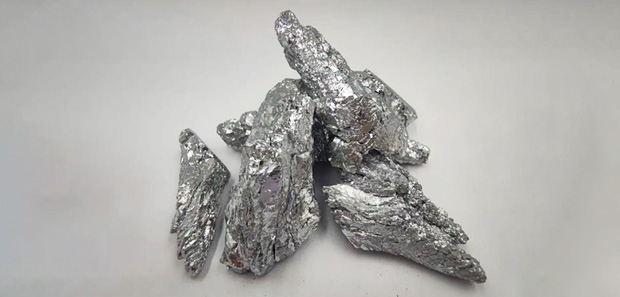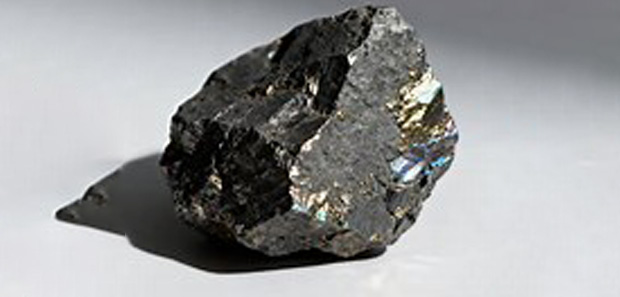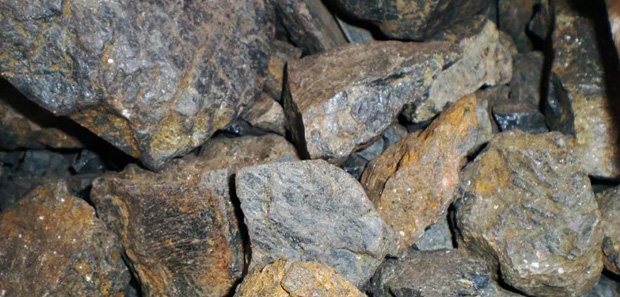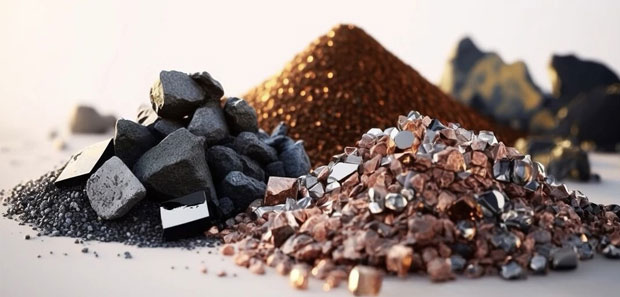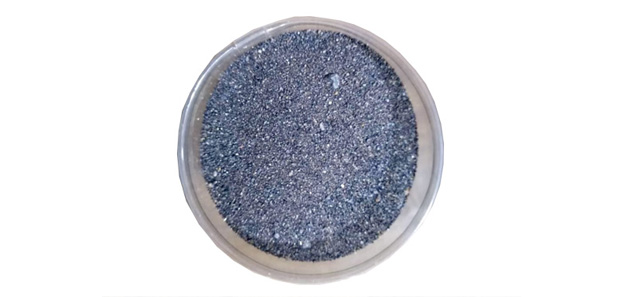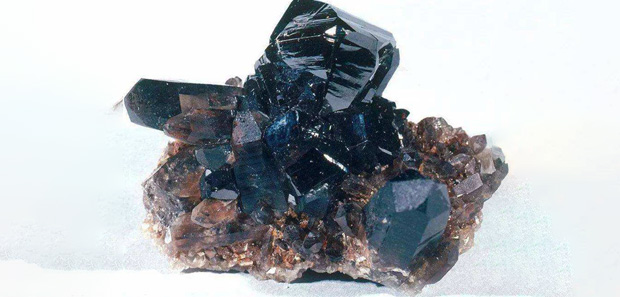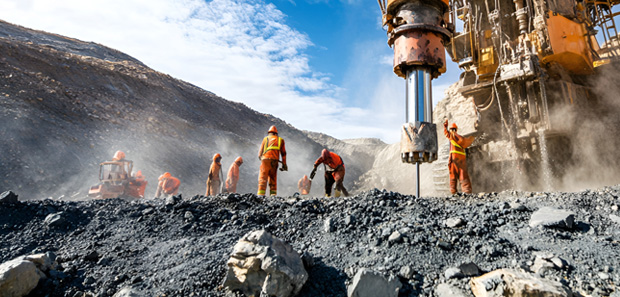

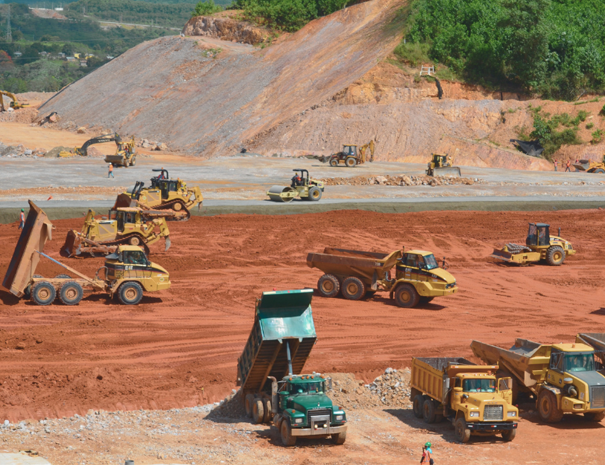
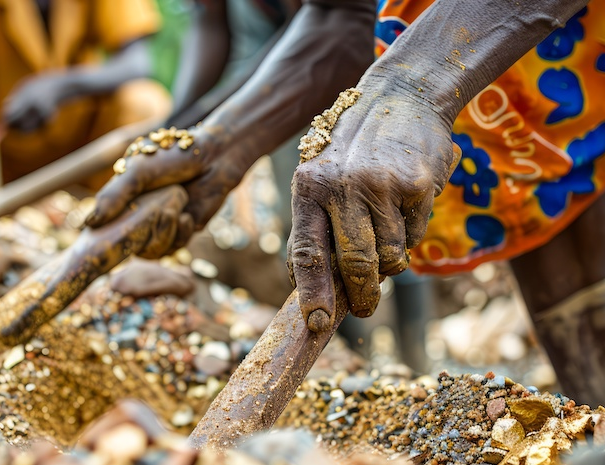
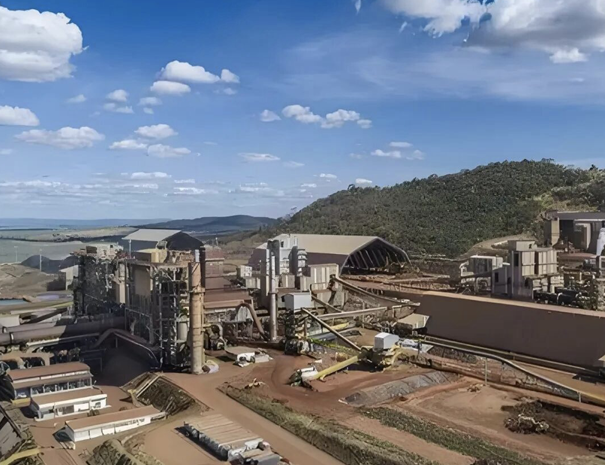
The mining area is located in the eastern part of Manono, Democratic Republic of Congo (DRC), within the Kibaran Fold Belt, characterized by exceptional metallogenic geological conditions. Systematic geological studies have identified the deposit as an LCT (Lithium-Cesium-Tantalum) granitic pegmatite type. Two ore bodies, designated as I-1 and II-1, have been delineated in the area, containing approximately 10,000 tonnes of niobium-tantalum metal resources and 200,000 tonnes of tin metal resources.
The ore bodies exhibit layered and stratiform structures, strictly controlled by pegmatite emplacement. Ore types primarily include weathered ore and primary ore, with dominant ore minerals consisting of columbite-tantalite and manganocolumbite-manganotantalite. The deposit features large-scale ore bodies dominated by niobium-tantalum minerals, accompanied by minor associated lithium, tin, and beryllium, indicating high economic value. With further exploration efforts in subsequent phases, the resource base is expected to be significantly expanded.
Specifications | Rwanda Gatumba Mine | Ugamba Nyabikere Mine | DRC Kivu Mine | Nigeria Jos Mine |
Tantalum Pentoxide (Ta₂O₅) | 30-48% min | 12.19-55% | 20-35% | 20-30% |
Niobium Pentoxide (Nb₂O₅) | 25-40% | 37.9-66.78% | 30-35% | 30-40% |
Ta₂O₅ + Nb₂O₅ | 55-80% min | 50-80% | 50-65% | 50-70% |
Uranium Oxide + Thorium Oxide (U₃O₈ + ThO₂) | 0.002-0.15% max | ≤0.1% | ≤0.15% | ≤0.05% |
Radioactivity | ≤1.5μSv/h (SGS/BV Test) | ≤10Bq/g (Uganda Standard) | ≤1.5μSv/h | ≤1.5μSv/h |
Particle Size | 2mm max (80%) | 2-5mm (Mainly Hand-selected Ore) | 3mm max | 2mm max |
Packaging | Iron Drum (200kg/drum) or Ton Bag | Ton Bag + Moisture-proof Liner | Iron Drum / Container Bag | Iron Drum |
Note: "min" indicates minimum guaranteed value; "max" indicates maximum allowable limit. Percentages in parentheses under particle size specify the proportion meeting the size requirement. All radioactivity measurements comply with respective international or national standards.
Between 2020 and 2024, global tantalum consumption averaged over 2,000 tonnes of metal content annually, with an average annual growth rate of 14%. During the same period, China's tantalum consumption continued to grow, rising from 670 tonnes in 2020 to nearly 1,000 tonnes in 2024, representing an average annual growth rate of 12.12%. Regionally, in 2024, China accounted for 995 tonnes (39.8%) of tantalum consumption, while the United States consumed 470 tonnes (18.8%).
Tantalum boasts a high melting point, exceptional corrosion resistance, and a wide range of applications, with capacitors being the primary downstream use. The metal is hard, highly ductile, and has a melting point of 2,996°C, the third highest after tungsten and rhenium. Its corrosion resistance is comparable to glass, with only fluorine, hydrofluoric acid, sulfur trioxide, strong alkalis, and certain molten salts able to corrode it at around 150°C. Tantalum remains stable in air at room temperature but oxidizes to Ta₂O₅ when heated above 500°C.
Benefiting from its high melting point, low vapor pressure, excellent cold-working properties, high chemical stability, strong corrosion resistance, and a surface oxide layer with a high dielectric constant, tantalum plays a critical role in many fields, including electronics, metallurgy, chemicals, atomic energy, superconducting technology, automotive, aerospace, and healthcare.
In terms of demand structure, according to the Tantalum Industry Outlook to 2029, capacitors accounted for 37% of global tantalum consumption in 2019, followed by superalloy additives (17%), sputtering targets (14%), tantalum chemicals (18%), rolled products (9%), and hard alloys (5%).