
Lead and zinc are widely used across various sectors, including the electrical, machinery, military, metallurgical, chemical, light industrial, and pharmaceutical industries. Additionally, lead has significant applications in the nuclear and petroleum industries. Over 80% of the world's lead is used in the production of lead-acid batteries.
Zinc is an important non-ferrous raw material, ranking third in consumption among non-ferrous metals after copper and aluminum. It exhibits excellent rollability, wear resistance, and corrosion resistance, and can be alloyed with various metals to produce alloys with superior physical and chemical properties. Primary zinc manufacturers mainly produce zinc metal, zinc-based alloys, and zinc oxide, which have extensive applications in the following areas:
Additionally, zinc demonstrates effective resistance to electromagnetic fields. Its electrical conductivity is 29% that of standard electrolytic copper, making zinc sheets highly effective for shielding against radio frequency interference. Moreover, zinc is non-magnetic, making it suitable for instrument components, casings, and coinage. It also does not produce sparks upon impact with itself or other metals, making it ideal for underground explosion-proof equipment.
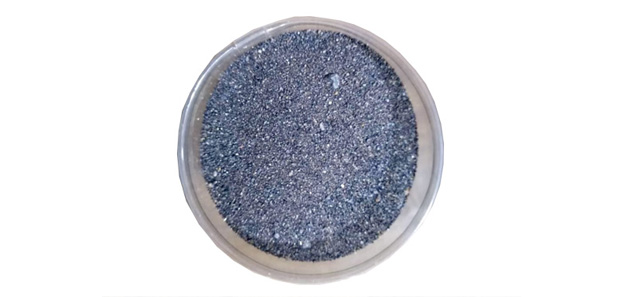
Specifications | DRC Katanga Mine | Namibia Tsumeb Mine |
Lead (Pb) | 45-60% min | 50-65% min |
Zinc (Zn) | 30-45% min | 35-50% min |
Sulfur (S) | ≤ 35% | ≤ 30% |
Iron (Fe) | ≤ 10% | ≤ 8% |
Silicon Dioxide (SiO₂) | ≤ 8% | ≤ 5% |
Impurities (As, Cd) | ≤ 0.1% | ≤ 0.05% |
Particle Size | -200 mesh (80%) | -150 mesh (90%) |
Packaging | Ton Bag / Bulk | Ton Bag |
Note: Lead-zinc ores from the DRC often contain associated silver (Ag 50-200g/t). The pricing mechanism for silver must be clearly defined in the contract.
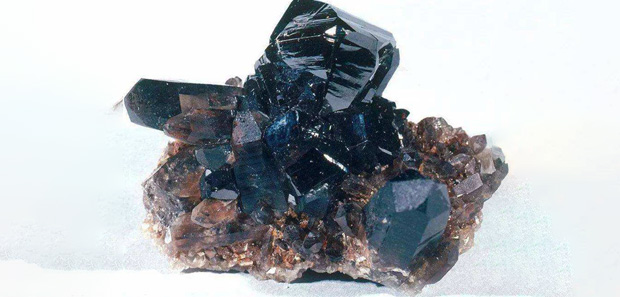
Lead was one of the earliest metals extracted by humans from lead-zinc ore. It is one of the softest heavy metals and also one of the densest, exhibiting a bluish-grey color, with a hardness of 1.5, a specific gravity of 11.34, a melting point of 327.4°C, and a boiling point of 1750°C. Lead demonstrates good malleability and readily forms alloys with other metals such as zinc, tin, antimony, and arsenic.
Zinc, on the other hand, was extracted later from lead-zinc ore, making it the last of the seven non-ferrous metals known in antiquity (copper, tin, lead, gold, silver, mercury, and zinc). Zinc metal has a bluish-white appearance, a hardness of 2.0, a melting point of 419.5°C, and a boiling point of 911°C. When heated to 100–150°C, it becomes highly malleable for rolling, and its specific gravity after rolling is 7.19. Zinc can form alloys with various non-ferrous metals or be used in zinc-containing alloys, the most important of which is brass, composed of zinc with copper, tin, lead, etc. It is also used in die-casting alloys with aluminum, magnesium, and copper.